Latest
earth day features
Earth Day is on April 22nd, and every year, community members assemble to plant trees, clean up streets and beaches. This year we put the focus on water. Windsor of Change interviews Jacqueline (Jackie) Serran, the Remedial Action Plan Coordinator at the Detroit River Canadian Clean-Up, about Earth Day celebrations, the work they do, and how we can continue to be involved in protecting our River.
As we in Ontario are pushed indoors again in the face of a third province-wide lockdown, Earth Day celebrations will be remote again. Fret not reader! Windsor of Change is ready with your Earth Day fix with eight stunning and educational documentaries
This year, we at Windsor of Change want to celebrate the ethos of Earth day all month round. Get started with these researched and selected recommendations of films and series that tell stories from across the planet. Each one reveals the intimate balance of life and nature, unexpected friendships, and the value of individual courage.
Canada’s temperate forests and wetlands will be one of its most important resources in the fight against a rapidly changing climate. This Earth Day, the Essex Region Conservation Authority (ERCA) is hosting its traditional annual community tree planting event, and we sat down with ERCA’s Gina Pannunzio to learn more about the city’s highly popular spring-time activity and how it’s impacting the Windsor-Essex community.
In the wake of a rising number of intense rainfall and flooding events in the Windsor-Essex area, millions of dollars worth of property are at risk of heavy damage. As limited landfill space and rising CO2 emissions pose a bigger threat with each passing day, how do we work to sustainably recover damaged personal property? Content Processing Centre's Jeremy Brown breaks it down.
WILD ONES in windsor-essex
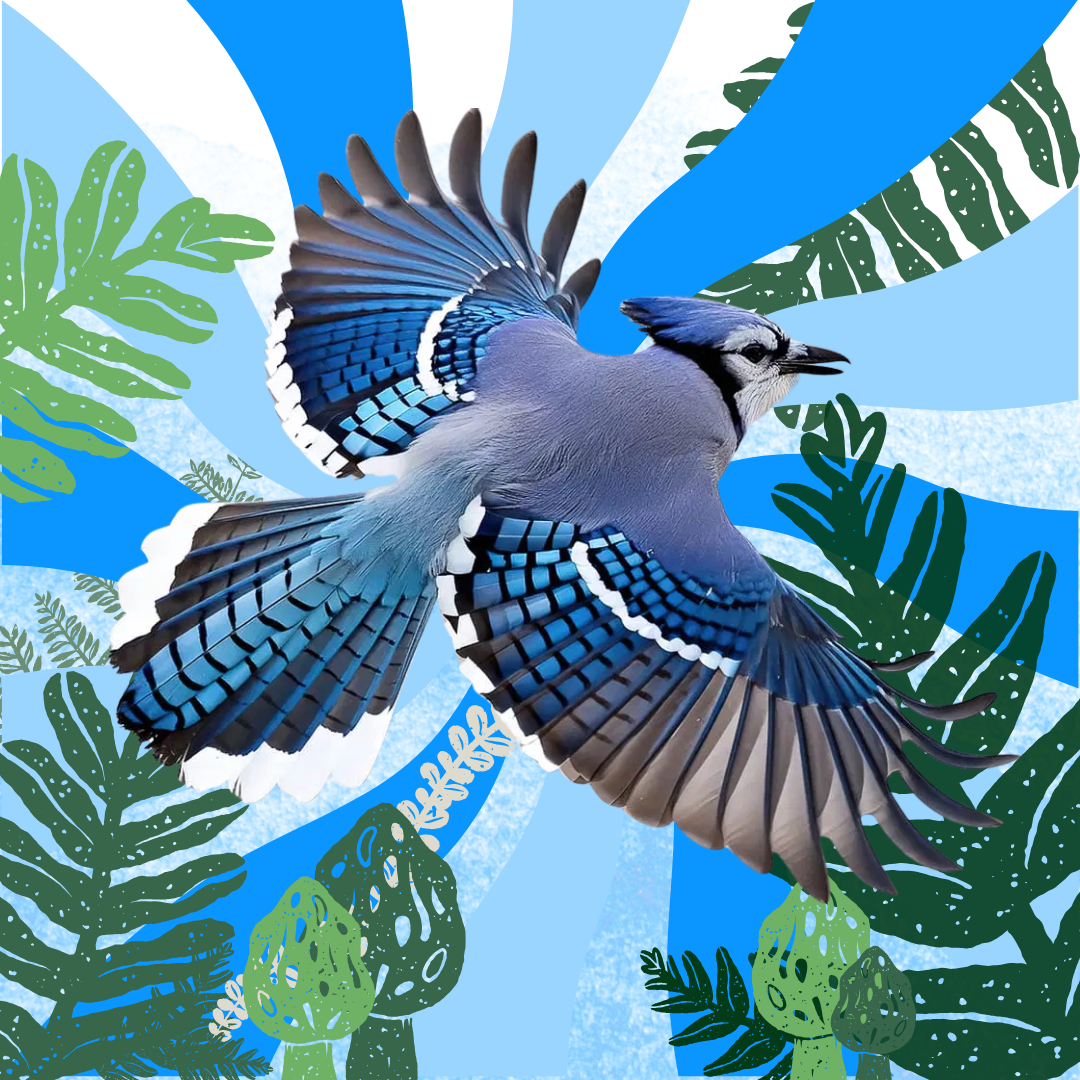
Blue Jay (Cyanocitta cristata)
The blue jay is an intelligent bird related to crows and other corvids and found only in North America. Male blue jays are slightly larger and a bit brighter in colour than females, which can be difficult to distinguish if only one blue jay is being seen. A better way to differentiate them would be to observe their behaviors in the wild during courtship and nesting (females incubate the eggs while males go out to find food to feed them). Blue jays like to eat insects, seeds, nuts like acorns, bird eggs (not often), and small animals like frogs. Their nesting season is from March to July, with one brood having 2- 7 eggs that can be bluish or light brown with brownish spots.
-
Fact: There is a scientific consensus that the Earth's climate is warming due to human activities, such as burning fossil fuels and deforestation.
Amongst individual scientists, 99% agree with the consensus. It’s important to note that this is far greater agreement than existed amongst medical doctors about the cancer-causing effects of smoking, when the first U.S. smoking laws first went into effect (BeforeTheFlood.org)
-
Fact: While the Earth's climate has varied naturally in the past, the current warming trend is happening at an unprecedented rate and is strongly linked to human activities.
-
Fact: While it is true that the Earth's climate has changed in the past, the current rate and magnitude of change are much faster and more severe than any natural climate change in the past.
UPCOMING EVENTS
the word around town
Valentine’s Day is a celebration of all things love, but the Earth is an often overlooked part of the festivities. Much of the consumerism that happens in the name of showing love and making memorable moments also makes a lasting negative impact on our environment. Make your special day eco-friendly by opting for mindful (and local!) date ideas. Check out our list for all the things you can do with your special someone!
The More Homes Built Faster Act sounds like the perfect solution for a housing crisis, but is it really? Passed at the end of 2022, Bill 23 aims to build 1.5 million homes within 10 years in response to our current difficult housing situation... and will sacrifice our environment in the process. While some aspects of the Bill are positive, there are fundamental changes proposed that have Conservationists worried. What are these changes? How do they affect the environment? Why should we be worried? And what can we do?
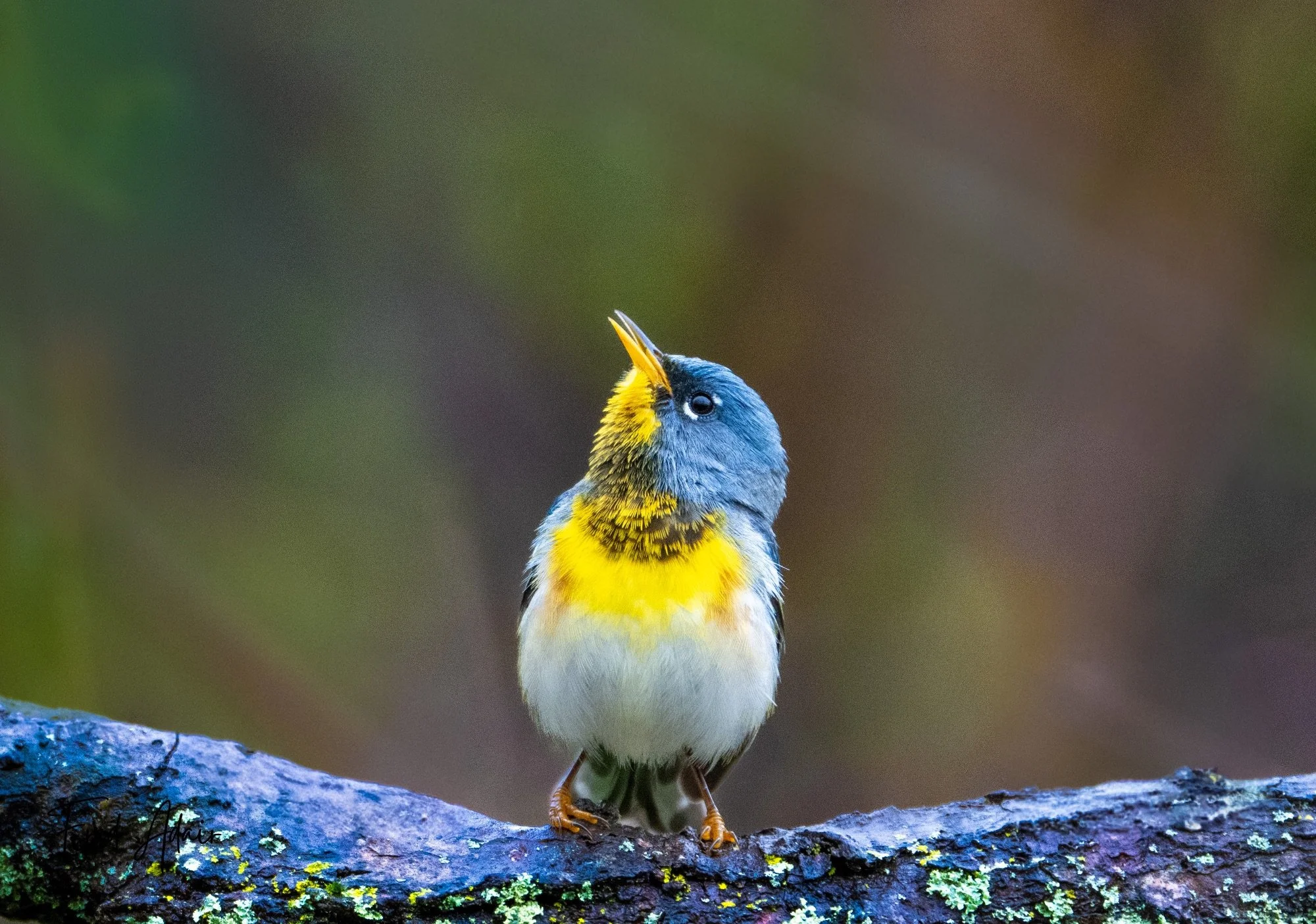
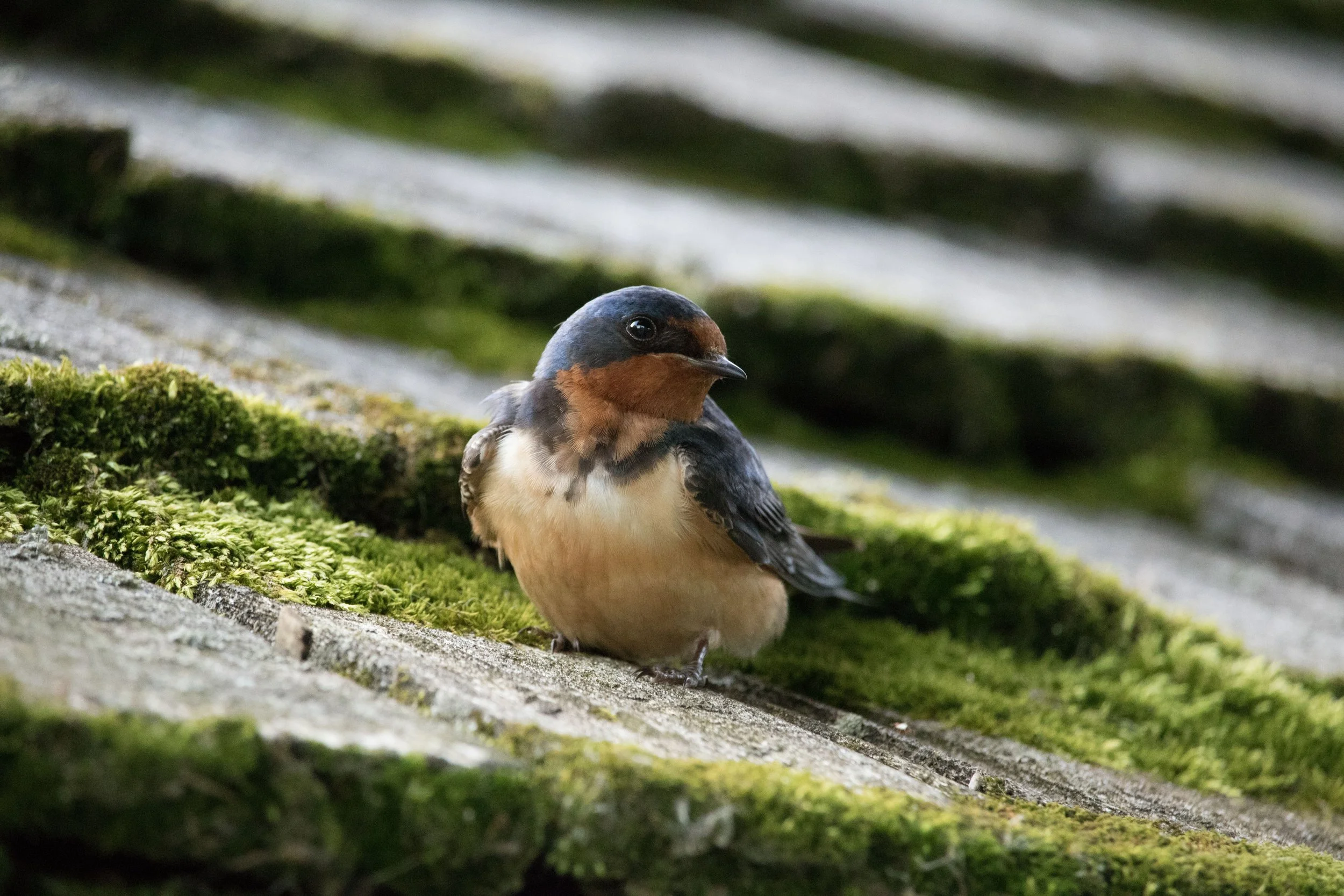
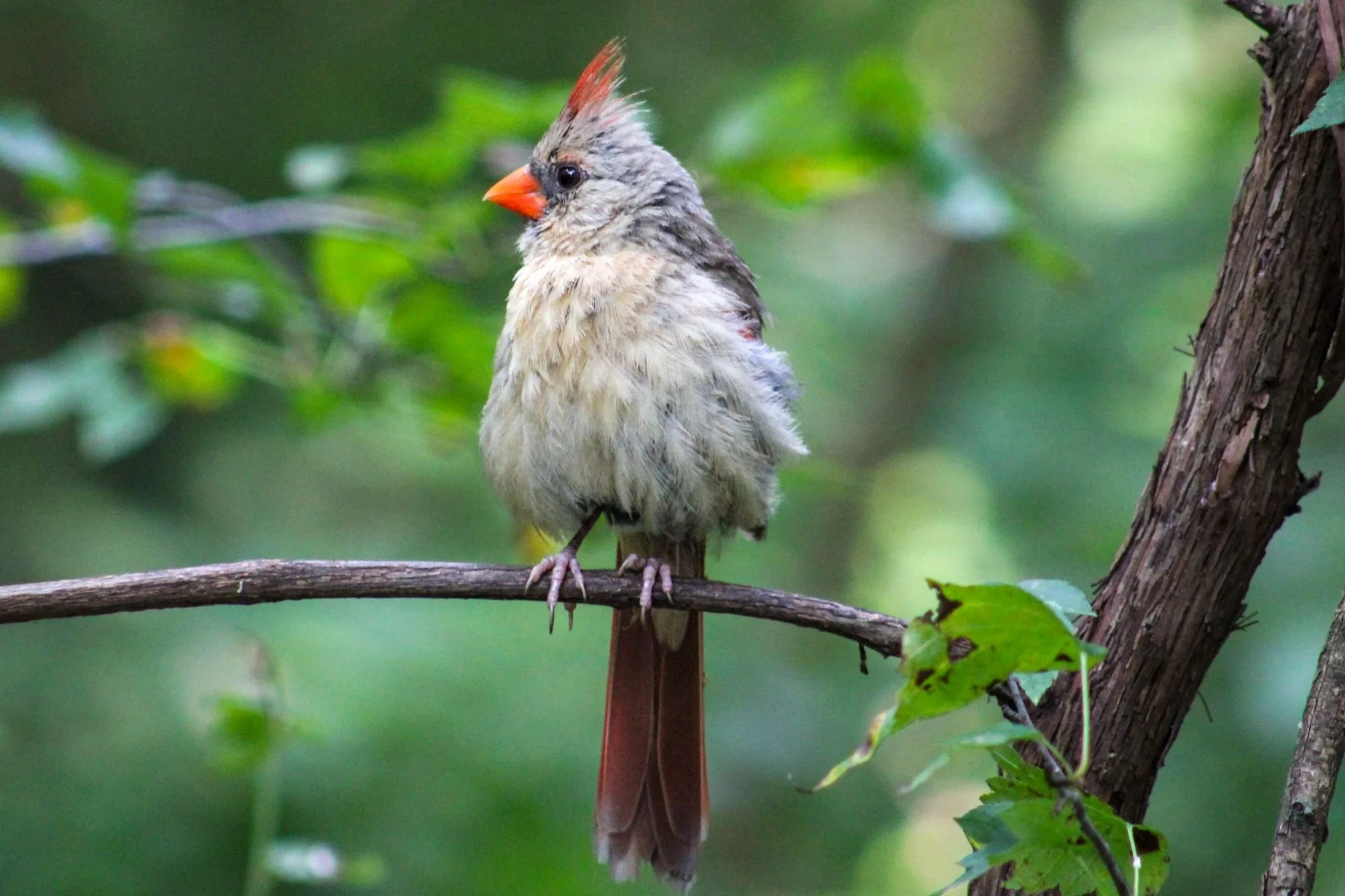
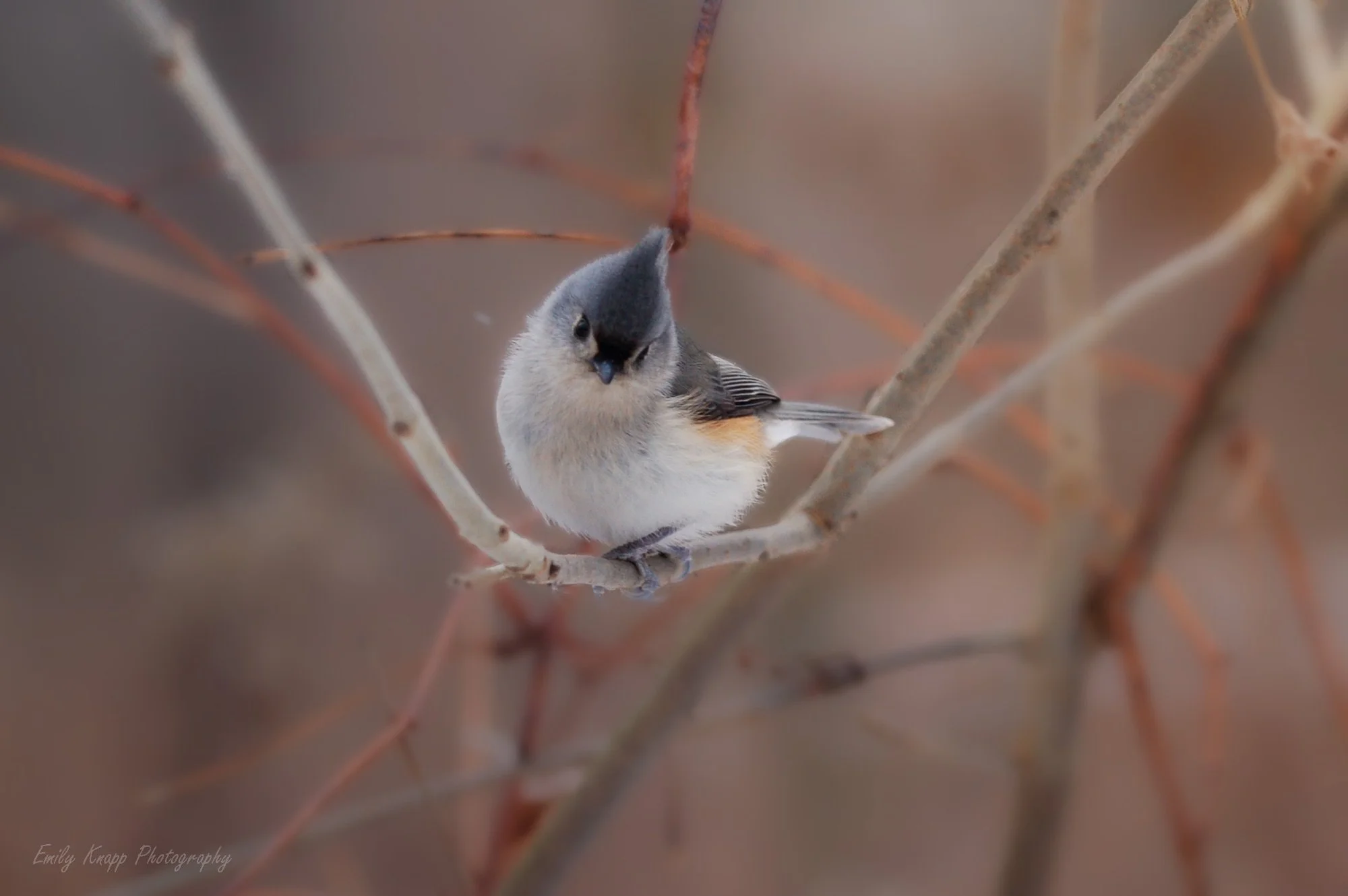
Our Canadian wildlife is more diverse than we might realize, especially our avian friends - the birds. Though we're used to geese, ducks, chickadees, and the like, the species in Windsor-Essex County extend far beyond that. Besides being diverse and beautiful, birds are essential parts of the ecosystem and they have immeasurable value balancing the food chain. This Fall migration season, we shine a light on the importance of birds in our region, get wrapped in raptor-talk, and cue the drumroll for the upcoming Festival of Hawks at Holiday Beach!
Most of us have grown up with the Great Lakes in one way or another—from colouring them in during geography class to swimming in them during the summer. It can be easy to take for granted bodies of water we’ve known for a lifetime. But where do the Great Lakes fit in on a larger scale and how do they function? How are they doing? And why do we need to concern ourselves with governing them? Read on to learn about freshwater access, water governance, how our Great Lakes fit into the system, as well as what we can do to shape their future in a climate change future.
How do we break the cycle of production, consumption, and demand in our communities? What do we do when we start losing our connections to each other, our relationship with nature and consequently, our time? Dane & Alley reflect on breaking their ties to systematic consumption by simply turning towards one thing connecting all of us right now : the soil.
In this article, Cameron Fioret talks to us about taking a community-first approach to tackling the urgent climate impacts in our region, allowing for inclusiveness and equity amongst the people it affects the most.
Windsor of Change is a non-profit that aims to empower the Windsor-Essex community, through education and engagement, to act and adapt to climate change and define its own unique climate action identity.
Donate now to help us continue our work
+
Donate now to help us continue our work +
popular reads
Windsor’s warmest winter in 157 years… With snow scarce this season and Spring sneaking in as early as February, 2024 has been breaking significant weather records. While some have enjoyed the unexpected warmth, many have heard alarm bells ring. How unusual is this weather? Will it be our new normal? What is causing it? What can we do? Read on to find out!
Art is often cited as a powerful tool with the ability to evoke emotion, inspire action, and educate onlookers. But can it do the same for the topic of climate change? Can it inspire us? Can it make a change? How? There is a plethora of eco-artists making a positive difference in the world, whether they're local or international. Join us in exploring their work and their impact, along with the overall effect of climate change art.
COVID-19 and climate change have one major thing in common: both are public health emergencies that exposed deep-rooted social inequities in marginalized communities around the globe. Though we're all affected by COVID-19 and climate change in one way or another, marginalized communities take the brunt of it. As climate change progresses, these equity gaps will worsen. How can we learn from the aftermath of COVID-19, and what can we do as a community to mitigate negative consequences as well as close the equity gap?
Eco-dread and climate anxiety are becoming a fast reality for many who are direct or indirect victims of climate change. This can be counter-productive in the fight against the crisis and can have profound implications. In the second and final part of our series on climate change and mental health, guest author and Policy Planner at the Town of Essex, Jeff Watson, writes about the changes we can make in our daily lives that will help with both alleviating mental health issues arising from climate change as well as climate change itself.
The conversation surrounding Canadian seniors and climate change has a very consistent tone: seniors are vulnerable. While care for older Canadians is one of the areas that we must seriously continue investing in, the focus on seniors’ vulnerability, puts them squarely in the category of passive victims. Emma Bider, draws from her work with the seniors-led group Climate Legacy, and writes about why and how institutions and agencies would be wise to include this demographic as active agents of change.

How do we break the cycle of production, consumption, and demand in our communities? What do we do when we start losing our connections to each other, our relationship with nature and consequently, our time? Dane & Alley reflect on breaking their ties to systematic consumption by simply turning towards one thing connecting all of us right now : the soil.